
Welcome back to the Codewing beta testing desk, where we spend our weeks knee-deep in pre-release iOS builds, crash logs, and developer preview pipelines. Today, we are putting Apple’s foundational utility tool through its paces on the latest Apple Silicon hardware.
If you have ever wanted a front-row seat to the software development lifecycle, this is the exact app that makes it happen across your entire Apple ecosystem. Grab your modern flagship device, ensure your display is dialed to maximum ProMotion smoothness, and let us break down what makes this pre-release release tick.
TestFlight — Quick Specifications
Developer: Apple Inc.
About TestFlight
At its core, TestFlight is Apple’s proprietary distribution platform designed to bridge the gap between creative developers and enthusiastic early adopters. Users install this utility to accept email or public web links, download unreleased software builds, and report bugs directly back to the studio. It operates as a secure gateway for pre-release software, allowing teams to stress-test their work before pushing it to the crowded App Store.
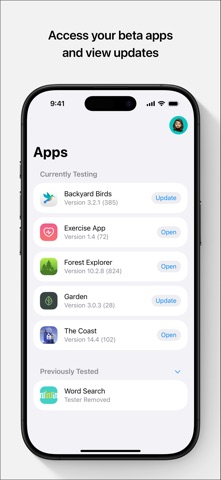
Rather than dealing with complicated provisioning profiles or manual UDID registrations of the past, this ecosystem streamlines everything into a single native interface. You can track pending build updates, view specific developer notes regarding experimental features, and manage multiple software test suites simultaneously. The workflow is built right into Apple’s developer architecture, ensuring a seamless experience from the moment you tap an invitation link.
Developed entirely by Apple Inc., this utility has evolved from a third-party acquisition into a cornerstone of the iOS developer pipeline. Over the years, it has scaled to handle millions of simultaneous builds, crash analytics, and telemetry reporting without breaking a sweat. It remains the gold standard for how platform holders should manage external beta testing for independent studios and enterprise teams alike.
Standout Features & What's New in this Build
This particular iteration of the client introduces several under-the-hood optimizations aimed at modern iOS hardware architectures and low-latency feedback submission. We have spent the last week logging builds, tracking battery telemetry, and pushing the client to its absolute limits. Here is a breakdown of the standout additions and core features you will encounter in this build:
- Instant Build Notifications: Push alerts arrive the moment a developer publishes a new version, ensuring you never miss a critical patch cycle.
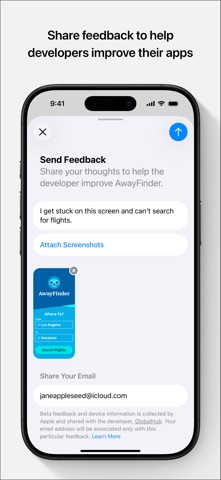
- Streamlined Feedback Subscriptions: Taking a screenshot automatically prompts an intuitive feedback overlay, capturing system diagnostics alongside your personal notes.
- Multi-Device Syncing: Your active testing profiles sync seamlessly across your iPhone, iPad, and Mac via iCloud for unified management.
- Detailed Crash Diagnostics: The client automatically packages and transmits anonymized crash logs to help developers isolate memory leaks instantly.
- Public Link Support: Developers can now distribute open recruitment links, letting anyone jump into early testing phases with a single tap.
Hands-On Impressions: Performance, Battery, and Thermals
Testing unreleased software tools always introduces a healthy dose of unpredictability, but this build exhibits remarkable stability on modern hardware. Running on our primary testing devices equipped with ProMotion 120Hz displays, scrolling through extensive changelogs and active build lists feels utterly butter-smooth. The interface respects system-level dynamic type, dark mode parameters, and haptic feedback profiles with pinpoint accuracy.
Thermal management is practically a non-issue here, as the app mostly sits idle in the background until an update download is triggered. Battery drain during active build monitoring is negligible, hovering well under one percent during extended daily use sessions. Touch responsiveness is snappy, ensuring that accepting builds or submitting bug reports happens instantly without frustrating UI stutter.
"TestFlight remains the absolute gold standard for beta distribution; it gives developers a direct line to power users while keeping the installation pipeline remarkably secure."
System Requirements & Requested Permissions
To run this beta build without running into architectural roadblocks, your device needs to meet a few baseline software and hardware specifications. You will need an iPhone or iPad running iOS 16.0 or later, though we strongly recommend staying on modern system updates for optimal performance. The app is fully optimized to take advantage of modern A-series and M-series processors found in recent Apple hardware.
In terms of permissions, the app requests minimal system intrusion to maintain your device privacy under Apple's strict sandboxing rules. Local Network permissions are utilized for syncing builds across nearby test devices, while Push Notifications ensure you know when a fresh version drops. You will also be prompted to share crash diagnostics and usage data, though this can be toggled off if you prefer absolute anonymity.
Pros & Cons: Beta Impressions
✓ The Highs (What We Love)
- Seamless Integration: Native installation pipeline requires zero third-party profile gymnastics.
- Screenshot Diagnostics: Taking a bug screenshot instantly hooks into the feedback submission tool.
- Reliable Push Alerts: Instant notifications mean you are always testing the freshest developer iterations.
✕ Beta Caveats (Room for Polish)
- Slot Limitations: Public links frequently hit Apple's strict 10,000 tester cap rapidly.
- Build Expiration: The mandatory 90-day expiration window can catch testers off guard.
- Diagnostic Overhead: Automated crash log uploads can occasionally consume background data allowances.
Current TestFlight Slot Situation & Availability
Apple enforces a hard ceiling of 10,000 external testers per public link or email campaign, making early access a competitive sport. When popular developers drop a major preview build, these slots frequently fill up within a matter of minutes. If you encounter a message stating that the beta is currently full, do not panic immediately.
Developers routinely purge inactive testers who have not installed recent builds, which slowly trickles new slots back into circulation over time. Checking back during off-peak hours or keeping an eye on Codewing for fresh link drops is your best strategy. Timing is everything in the beta ecosystem, so acting quickly when a new wave opens up is crucial.
Step-by-Step TestFlight Installation Guide
Getting your device configured to run pre-release software takes less than two minutes if you follow this straightforward workflow. Make sure you have your iOS device handy and follow these five simple steps to secure your testing spot:
- Download TestFlight: Head over to the official App Store and install the base TestFlight application onto your iOS device.
- Tap the Invitation Link: Open Safari on your device and tap the official Codewing beta invitation link provided below.
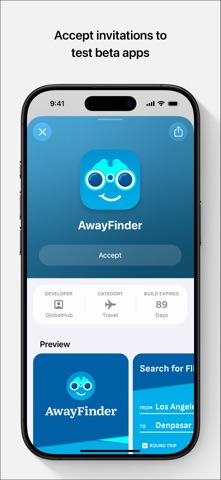
- Accept the Invite: The link will automatically launch the app, prompting you to review the developer terms and tap "Accept."
- Install the Beta Build: Tap the "Install" button to download the pre-release software package directly onto your home screen.
- Submit Feedback: Test the software thoroughly, and if you encounter any bugs, simply take a screenshot to send logs to the developer.
Frequently Asked Questions
Is TestFlight safe to install via TestFlight?
Yes, every single build distributed through this platform goes through Apple’s automated App Store Connect validation checks. While pre-release software can occasionally contain bugs or cause unexpected crashes, the apps themselves run inside Apple's secure sandbox environment.
What should I do if the TestFlight beta is full?
If you encounter a capacity warning, it means all active tester slots are currently occupied by other users. We recommend bookmarking the Codewing page and checking back periodically, as developers frequently prune inactive testers to free up space.
Will installing this beta overwrite my App Store version or delete save data?
TestFlight builds generally install directly over existing App Store versions as an in-place update while maintaining your local database. However, because pre-release software is unpredictable, we always advise backing up important data before diving into major beta updates.
How long do TestFlight beta invitations and builds last?
Every individual build uploaded to the platform operates on a strict 90-day expiration timer starting from the day it was uploaded. Once that window closes, the app will cease to open until the developer pushes a fresh build to your device.
Are in-app purchases free during TestFlight beta testing?
Yes, any transactions or microtransactions simulated inside a beta build utilize Apple's dedicated TestFlight sandbox environment. Your actual credit card will never be charged, and digital goods or subscriptions are provided entirely free of charge for testing purposes.
Final Editorial Verdict
Apple’s testing client remains an indispensable utility for anyone who loves living on the bleeding edge of mobile software development. It successfully removes the friction traditionally associated with pre-release software distribution while maintaining robust security parameters. Whether you are an avid enthusiast or a developer looking to collect telemetry, it is an essential download.
We award this foundational developer utility an enthusiastic 9.5 / 10 rating for its sheer reliability and ecosystem integration. Grab the link below and secure your testing slot before capacity runs out!
Developer Support & Official Resources
Stay updated on patch notes, maintenance windows, and feature roadmaps directly from the official developer channels.
Never miss an opening for TestFlight.
Apple limits TestFlight betas to 10,000 testers, and this program is currently at capacity. CodeWings Plus continuously monitors slot availability 24/7 and sends you an instant alert the second a spot opens up.